How to Choose the Perfect Rain Boots?
Have you ever experienced this: while watering the garden or working on the farm, you step into a mud pit, and your regular sneakers instantly soak up water and mud, turning into heavy “sandbags” that drag down every single step? What’s worse, when stepping onto slippery stone steps or steel plates, your feet slip, almost causing a nasty fall.
In muddy farms, damp gardens, and complex outdoor waters, regular running shoes are ruined the moment they get wet, traditional rain boots are clunky and suffocating, and slippers offer zero protection. A pair of professional rain boots, however, is the ultimate “all-terrain” safety gear that integrates high-efficiency waterproofing, hardcore slip resistance, and full-on puncture protection.
Faced with a dizzying array of options, how do you find the perfect pair of rain boots that can handle both daily chores and outdoor streams? Just lock onto these three core indicators: upper material, waterproof system, and outsole grip.
I. Upper Material: Natural Rubber is the Undisputed King
When choosing upper materials, the core depends on your usage environment and protective needs.
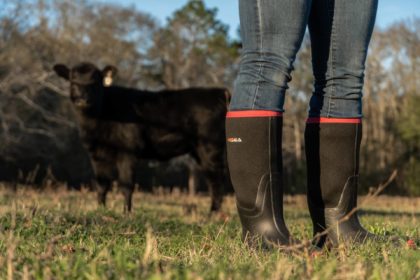
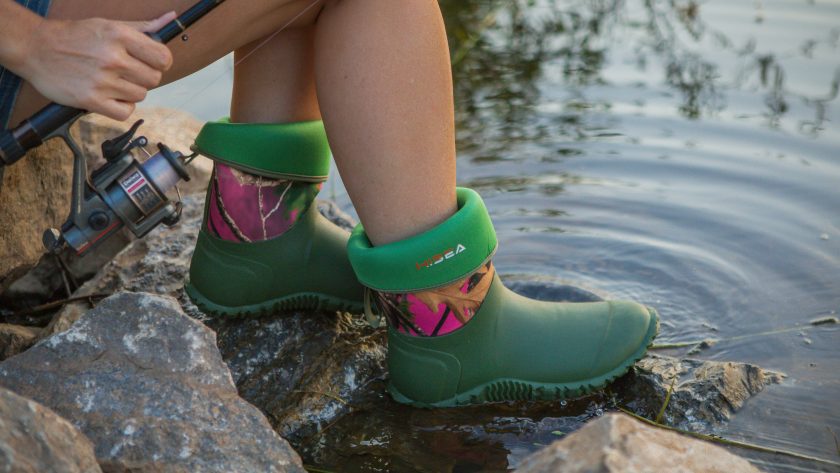
For scenarios that require frequent encounters with mud, deep water, wet weeds, or harsh weather, rubber is the absolute tyrant. Just like Hisea’s wide range of professional rubber boots, its greatest trump cards lie in 100% absolute waterproofing and reinforced-grade wear and puncture resistance.
Absolute Dryness as a Physical Barrier: Unlike regular mesh shoes that can only “dry quickly,” high-quality natural rubber completely seals moisture outside the shoe. Whether you are walking through morning dew to tend the garden, planting crops in the deep mud of a farm, or wading through ankle-deep water outdoors, the rubber upper guarantees your feet remain 100% absolutely dry.
Fearless Protection Against Complex Terrains: Rubber materials possess extreme resistance to tearing and puncturing. Facing sharp gravel, jagged broken branches, or hidden wires in the dirt, it acts like solid armor to protect your feet while being exceptionally durable. After work, a quick rinse with fresh water makes it look as good as new.
Buying Guide: If you need heavy-duty physical waterproofing, mud protection, and hardcore defense against complex terrains like farms and forests, then footwear made from premium natural rubber—like Hisea—is your most solid and reliable safety shield.
II. Waterproof System: Say Goodbye to the “Heavy Mud” Wet-Foot Anxiety
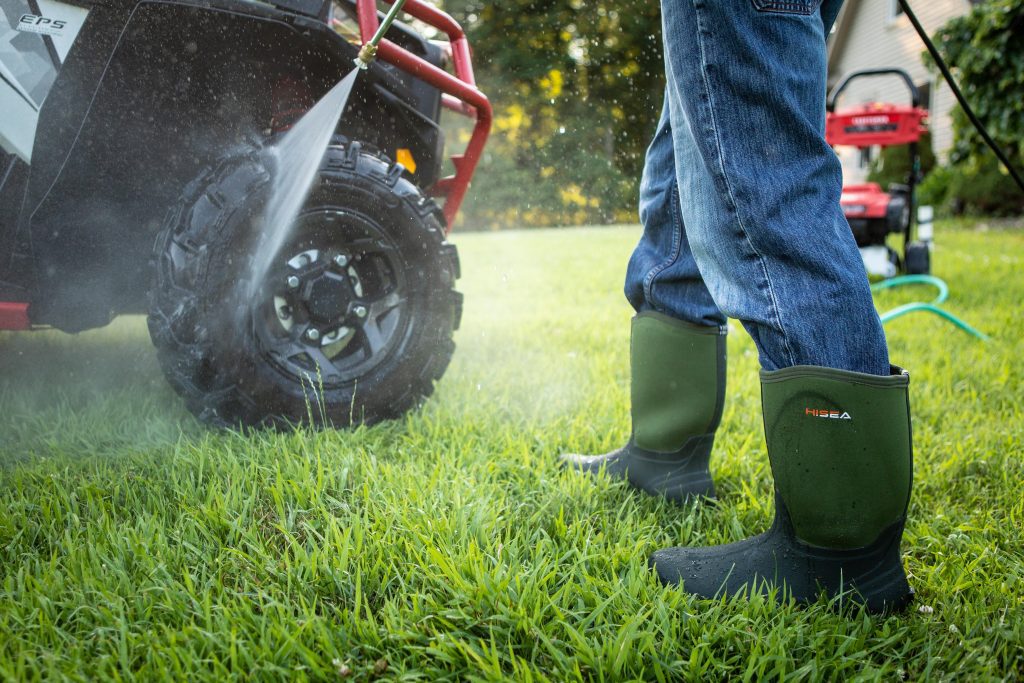
Once water gets inside a boot, it brings unbearable cold, heaviness, and skin irritation. Therefore, the key to evaluating a high-quality water shoe lies in how strong its dynamic waterproof performance at the source actually is.
All-Dimensional High-Efficiency Waterproof Membrane
Truly professional water shoes embed a high-spec breathable waterproof layer between the upper lining and the materials. It acts like an “invisible raincoat” for your feet, utilizing a microporous structure to precisely intercept external liquid water molecules, preventing them from penetrating the shoe.
⚠️ Buying Pitfall: Many low-quality waterproof boots on the market blindly apply a temporary Durable Water Repellent (DWR) coating to the surface. As a result, after being soaked in muddy water or repeatedly flexed, the waterproof layer quickly fails, leaving the shoes instantly drenched.
Professional Solution: Outstanding rain boots (such as Hisea Rain Boots) utilize dynamic waterproof technology paired with a gusseted tongue design. This structure achieves “strong water blockage and high breathability.” While instantly blocking external water from invading, it also efficiently expels stuffy moisture from inside the shoe, keeping your feet dry at all times.
III. Outsole & Grip: The Safety Soul of Slippery Surfaces
If materials determine comfort, then the outsole determines your physical safety. On slippery outdoor surfaces, slip resistance means fracture prevention.
1. Rubber Compound: Wet-Traction Rubber
Regular hiking boots usually adopt hard rubber to pursue wear resistance on dry dirt. However, rain boots must utilize highly sticky, soft Wet-Traction Rubber. When contacting slippery, hard medium surfaces, this rubber undergoes micro-level physical deformation, allowing it to cling tightly to rocks like a gecko.
2. Tread Mechanics: Siping and Multi-Directional Lugs
Siping: Similar to the design of top-tier winter car tires, the outsole features micro-slits. When stepping on a water film, these slits instantly slice through and drain the micro-film away, allowing the rubber to make direct contact with the dry rock surface, eliminating the “hydroplaning” effect.
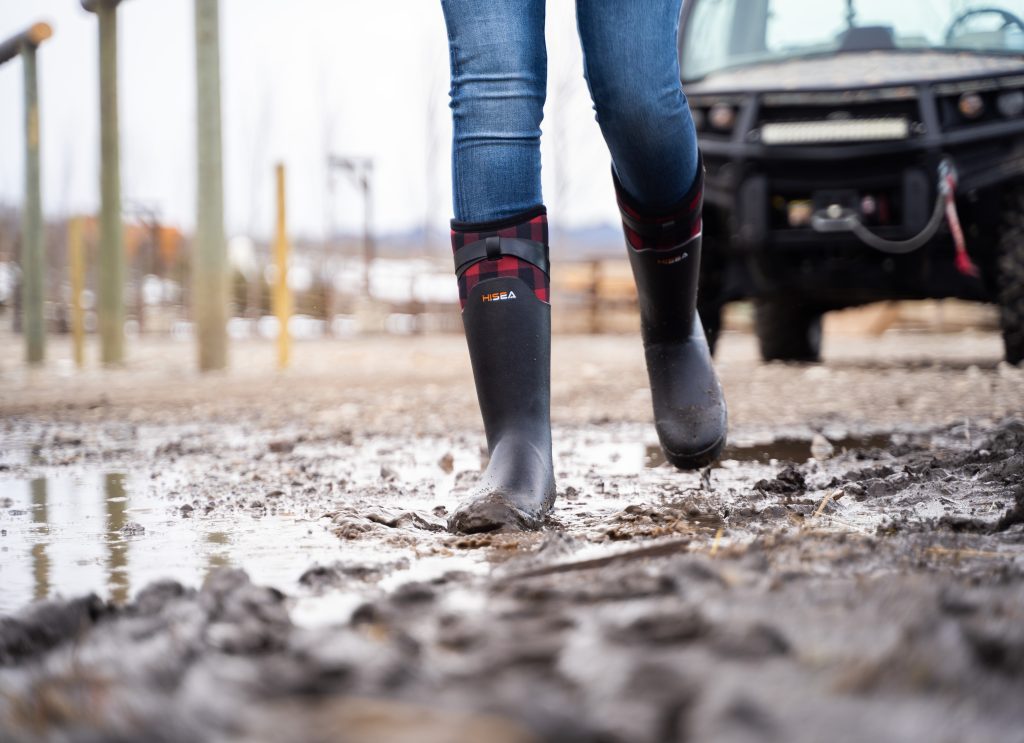
Multi-directional Lugs: Take the hybrid-grip outsole used by Hisea as an example; it features both fine textures to tackle slick rock faces and deep lugs to provide aggressive bite in muddy grass. Both forward propulsion and lateral support are impeccable.
Toe Protection: Don’t forget to check the toe box. Excellent rain boots must feature a thickened rubber wrap to protect the big toe, preventing you from stubbing your toes against unseen reefs or rocks in murky currents or mud.